

Last updated on October 6, 2026

Sea moss is the newest trend on the weight-loss forum. Along with its numerous health benefits, this Atlantic red seaweed is said to be a delicious ingredient to add to a balanced weight-loss diet.
It provides seaweed nutrients and gel-forming compounds, and offers a convenient way to add variety to your food and drinks. Scientists are exploring seaweeds, fiber, metabolism, and gut health—interesting topics to keep in mind as you build a routine that works for you.
Let’s look deeper into the research behind sea moss and weight management and how you should use it to maximize its benefits.
Related article: What are sea moss health benefits?
Ready to give sea moss a try? Our Mango-Pineapple Sea Moss Gel combines Saint Lucian wildcrafted sea moss with real fruit, filtered water, and no added sugar. Stir it into breakfast or blend it into the smoothie below. Your purchase is backed by our 30-day money-back guarantee!
How Does Sea Moss Fit Into Weight Management?
Numerous studies[1] explore edible seaweeds and weight management. The review cited here covers seaweed extracts in cells, animals, and a small human study. It discusses fat-cell formation, metabolism, and gut bacteria—giving researchers several promising directions to investigate with specific seaweed preparations.
Related article: Zoom in on sea moss’s actual nutrition facts
Appetite regulation and feeling of satiety
Sea moss contains gel-forming polysaccharides, including carrageenan. This carbohydrate gives sea moss recipes their characteristic texture: it binds water to form a smooth gel, which is why sea moss works so well in drinks and foods. Fiber amounts depend on the preparation and serving; check your gel’s nutrition label when planning a fiber-rich meal.
Fiber-rich foods can be useful in a weight-management plan. Some soluble fibers form gels and help slow digestion, contributing to fullness. In an analysis of 345 adults from the POUNDS Lost study[2], greater fiber intake predicted more weight loss and better dietary adherence over six months on calorie-restricted diets. Think of beans, whole grains, vegetables, and fruit as regular fiber sources. Our guides also explore nutrition questions around diabetes and heart health.
Feeling comfortably satisfied can make a balanced routine easier to maintain. Try sea moss in a breakfast that also includes protein and fiber-rich foods, and see how that meal fits your preferences. A spoonful blends beautifully into that breakfast, making sea moss easy to enjoy with the foods that help you feel satisfied.

Organics Nature’s Mango-Pineapple Sea Moss Gel - Purchase Here
Binge-eating and emotional eating
An enjoyable, regular eating routine can make everyday food choices feel easier. A sea moss smoothie with fruit, greens, and a source of protein is one option to try. For binge-eating disorder, a tailored care plan can help you regain a comfortable relationship with food. The National Eating Disorders Association explains binge-eating disorder and the support available.
As said above, meals with adequate protein and fiber-rich ingredients can help with everyday fullness. Plan meals you look forward to, and give yourself time to enjoy them. If you experience a loss of control around eating, professional support can help you find approaches that suit you.
Additionally, eating can be a way to soothe negative emotions, stress, boredom, sadness, or loneliness. If that becomes distressing, a clinician or eating-disorder dietitian can help you build a supportive plan. An enjoyable sea moss smoothie can still have a place in that routine—taking care of yourself includes both nourishment and the support you need.
Body fat reduction
Interestingly, studies on animals and cells have found changes in fat-cell formation, fat metabolism, and body-fat accumulation with specific seaweed extracts. The review includes red, brown, and green seaweeds, so its findings need to be matched to the species and preparation studied.
The review also describes a 12-week randomized trial using 1,000 mg daily of Gelidium elegans extract in 78 adults with overweight or obesity. Weight and fat-mass measures improved compared with placebo, with physical activity also differing between groups and accounted for in the analysis. This is encouraging research on that red seaweed extract, a different preparation from sea moss gel.
Of course, your overall diet and suitable physical activity remain central to body-fat management. Enjoy sea moss in your favorite nourishing recipes as you work toward your goals. The extract studies above help explain why researchers are interested in seaweeds and fat metabolism.
Prebiotics and weight loss
The gut microbiota is linked to how people respond to weight-management routines[3]. Simply put, gut bacteria process food in different ways. In the study cited here, 105 people took part in a lifestyle-coaching program; selected bacterial functions were associated with weight-loss responses. That helps researchers explore how microbial growth and energy harvest might matter.
Seaweed polysaccharides are also interesting in prebiotic research. As opposed to probiotics—live microorganisms—prebiotics are substances used by microorganisms that confer a health benefit. Research explores how particular seaweed preparations affect gut bacteria, while everyday gut care also includes a varied diet and fiber-rich foods.
Related article: Does sea moss make you poop more?
Weight loss diets and nutrient deficiencies
A weight-management diet still needs enough nutrients to support your everyday health. There are numerous plans promising great results, but a restrictive diet that leaves out important nutrients can be harmful—including poorly planned versions of paleo, low-carb, Dukan, ultra-low-fat, Atkins, HCG, zone, and other diets.
If you’re on a restrictive diet, a qualified dietitian can help you cover your nutrient needs. Sea moss adds seaweed nutrients to your everyday food choices. Sea moss’s familiar “92 of 102 minerals” profile makes it an appealing seaweed ingredient, while a varied diet supplies protein, vitamins, minerals, and other nutrients in useful amounts.
A low-calorie ingredient!
Last but not least, sea moss gel can be easy to portion into a meal or smoothie. Our Mango-Pineapple gel label lists 10 calories, 1 gram of total sugar, 0 grams of fat, and 0 grams of fiber per 2 tablespoons (30 grams), with no added sugar. Plain homemade gel and other flavors have their own nutrition profiles, so use the label or recipe details when planning your meal.
How to Use Sea Moss for Weight Loss?
So, you’ve decided to try sea moss in your weight-management routine. Now, let’s learn how to use it properly to maximize its benefits. How much should you take and when? What forms work best?
How much sea moss to take daily for weight loss?
Sea moss is a nutrient-rich ingredient, and, like any superfood, it is best enjoyed in moderation. Seaweed supplies iodine, which supports normal thyroid function. If you have a thyroid condition, take medication, or need to manage iodine intake, your clinician can help you choose a suitable serving. Our side-effects guide offers more practical details.
For our Mango-Pineapple Sea Moss Gel, use the listed serving of 2 tablespoons (30 grams) and follow your container’s directions. Choose the labeled amount for capsules or gummies too, and make it part of a routine you enjoy.
Related article: Find out how much sea moss you can take daily
Raw, gel, capsules, pills, or gummies?
Sea moss comes in several convenient forms: raw sea moss, gel, capsules, and gummies. Choose the format you enjoy and can use according to its directions. Gel is particularly easy to include in a favorite recipe.
Sea moss gel is easy to incorporate into your favorite food or drink. On the other hand, our sea moss capsules combine Irish moss, bladderwrack, and burdock root in a convenient oral format. The two-capsule serving provides 1,000 mg Irish sea moss, 300 mg bladderwrack, and 200 mg burdock root—a simple way to enjoy our three-ingredient blend when you prefer capsules to gel.
Morning or evening?
Sea moss can be consumed at the time of day that suits your product directions and routine. Morning is a convenient option if you enjoy it with breakfast or in a smoothie; evening may fit you better. A routine you enjoy is easier to keep.
Unlike what you may have read on other websites, you do not have to take it on an empty stomach. Sea moss can be enjoyed (and tastes better) if taken with foods or drinks.
Related article: Is it best to take sea moss in the morning or at night?
Sea moss smoothie for weight loss
Smoothies are an excellent way to consume sea moss and combine it with other healthy, nutritious ingredients. Here's one of our favorite sea moss smoothie recipes to enjoy in a balanced routine: a refreshing fruit-and-greens combo!
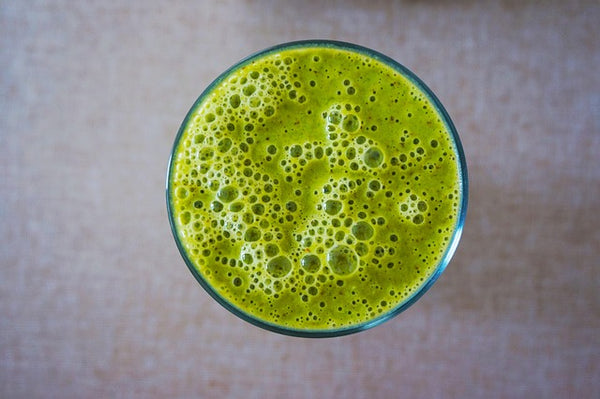
Ingredients (2 servings):
- 2 cups spinach
- 4 tbsp fresh mint
- 2 stalk celery
- 1 grapefruit (if your medication requires avoiding grapefruit, ask your pharmacist about a suitable alternative)
- 2 cups frozen pineapple
- 4 tbsp Organics Nature Mango-Pineapple Sea Moss Gel, or plain homemade gel
- 1 cup ice
Instructions:
- Chop the celery stalk into small pieces.
- Peel the grapefruit and take the seeds off.
- Place the spinach, mint, and grapefruit into a blender.
- Puree until smooth.
- Add the celery, frozen pineapple, ice, and sea moss gel.
- Blend again.
- Serve cold, and enjoy!
FAQs About Taking Sea Moss for Weight Loss
Here are several frequently asked questions about taking sea moss for weight loss. Should we fail to answer yours, feel free to ask in the comment section below!
What’s the best sea moss for weight loss?
Sea moss products offer different ways to enjoy the ingredient. While gel is a common food option, some people prefer capsules, powder, gummies, or prepared raw sea moss. Check the ingredients, serving directions, and nutrition information to find the format that suits your routine.
More than the form of sea moss itself, quality and clear sourcing matter. Organics Nature’s raw sea moss is hand harvested in Saint Lucia, sun dried, and third-party tested for purity and heavy metals. Our wildcrafted and pool-grown guide explains sourcing and quality questions to help you choose confidently.
Can sea moss make you gain weight?
Sea moss can fit into a weight-management or weight-gain eating plan, depending on the whole diet and the recipe you choose. Our Mango-Pineapple gel adds just 10 calories per serving, making it easy to work into the meals you have planned. For weight gain, blend it into an energy-rich smoothie; for weight loss, choose a recipe and portion that fit your daily needs.
Building muscle involves resistance exercise and adequate nutrition, including protein. Muscle is denser than fat, which means equal volumes have different weights. Enjoy sea moss alongside those habits, whether you prefer a refreshing gel smoothie or the convenience of capsules.
Related article: 6 benefits of sea moss for men!
Does sea moss break a fast?
For a strict calorie-free fast, save sea moss gel for your eating window. Our Mango-Pineapple gel provides 10 calories and 1 gram of sugar per serving, and homemade gel also contains seaweed solids. If you are fasting for a medical test or procedure, follow the instructions from your care team.
Taking sea moss gel with a meal is an easy way to enjoy it within an intermittent-fasting eating window. Try it in the smoothie above or another favorite recipe.
Related article: Does sea moss give you more energy?
Can sea moss help get rid of belly fat?
Body fat changes through your overall eating, activity, and health habits. Seaweed-extract studies explore fat metabolism, but their species, extracts, and doses matter. For your own routine, focus on balanced meals, portions that fit your needs, and movement you enjoy. A sea moss smoothie can make those nourishing choices delicious!
It’s not magical, though, and eating sea moss is one food choice within a larger routine. Balanced meals and suitable physical activity give you a practical foundation, with individualized support when needed.
Does sea moss make you hungry?
Your appetite depends on your whole meal and individual response. Pair a sea moss recipe with protein and fiber-rich ingredients if comfortable fullness is your goal, and pay attention to how the meal suits you.
Can you take sea moss if you have diabetes?
If you have diabetes, ask your clinician how sea moss fits your routine, keep your prescribed care in place, and count the carbohydrates in your gel or recipe. Our sea moss and diabetes guide explores nutrient roles and research alongside those practical steps.
In any case, always ask for your doctor’s advice before taking sea moss if you have any chronic health condition.
And The Ultimate Question...
Can you really lose weight with sea moss?
You can include sea moss in a balanced weight-management routine. The most useful approach is one you enjoy and can maintain: nourishing meals, suitable movement, and a sea moss format that fits your preferences. Try our refreshing smoothie as one enjoyable step toward that routine, and use your product’s directions to keep the serving simple.
Try it out for yourself! And remember that while sea moss can be an enjoyable ally on your weight-loss journey, it all starts within you!
Trusted sources:
[1] Gómez-Zorita S, González-Arceo M, Trepiana J, Eseberri I, Fernández-Quintela A, Milton-Laskibar I, Aguirre L, González M, Portillo MP. Anti-Obesity Effects of Macroalgae. Nutrients. 2020 Aug 8;12(8):2378. doi: 10.3390/nu12082378. PMID: 32784488; PMCID: PMC7469045.https://pmc.ncbi.nlm.nih.gov/articles/PMC7469045/
[2] Miketinas DC, Bray GA, Beyl RA, Ryan DH, Sacks FM, Champagne CM. Fiber Intake Predicts Weight Loss and Dietary Adherence in Adults Consuming Calorie-Restricted Diets: The POUNDS Lost (Preventing Overweight Using Novel Dietary Strategies) Study. J Nutr. 2019 Oct 1;149(10):1742-1748. doi: 10.1093/jn/nxz117. PMID: 31174214; PMCID: PMC6768815. https://pubmed.ncbi.nlm.nih.gov/31174214/
[3] Baseline Gut Metagenomic Functional Gene Signature Associated with Variable Weight Loss Responses following a Healthy Lifestyle Intervention in Humans, Christian Diener, Shizhen Qin, Yong Zhou, Sushmita Patwardhan, Li Tang, Jennifer C. Lovejoy, Andrew T. Magis, Nathan D. Price, Leroy Hood, Sean M. Gibbons. DOI: https://doi.org/10.1128/mSystems.00964-21